Digitalisation in Construction: From BIM to production
During our recent themed evening on digitalisation in construction, one question took centre stage. How can data genuinely help speed up construction, and what challenges lie ahead in the production and supply chain?
The challenge of digitalisation in construction
The construction sector is under pressure. We need to build faster, more sustainably, and with fewer people. At the same time, stakeholders across the chain often use different standards, tools and levels of digital maturity. This makes it difficult to align and exchange data effectively across the value chain.
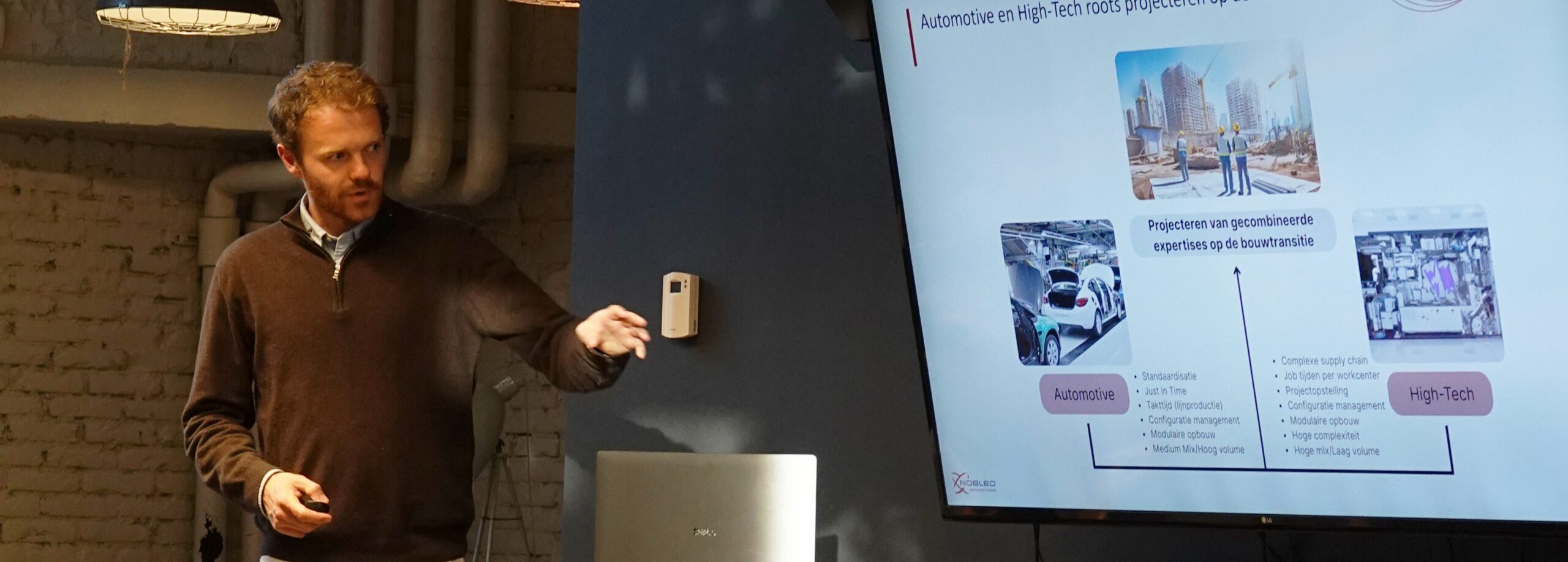
Unlike industries such as automotive, where a clear OEM often defines standards and ways of working, the construction sector typically misses a single owner in the chain. This makes standardisation more challenging and leads to greater variation between projects and stakeholders. High-tech faces similar challenges, although standards are more often defined by leading OEMs.
It is precisely this complexity that creates opportunities for digitalisation in construction.
From BIM to production in the construction supply chain
Digitalisation in construction goes beyond tools or systems. It is about connecting the entire supply chain. This includes everything from technical design and BIM models to procurement, assembly, and production.
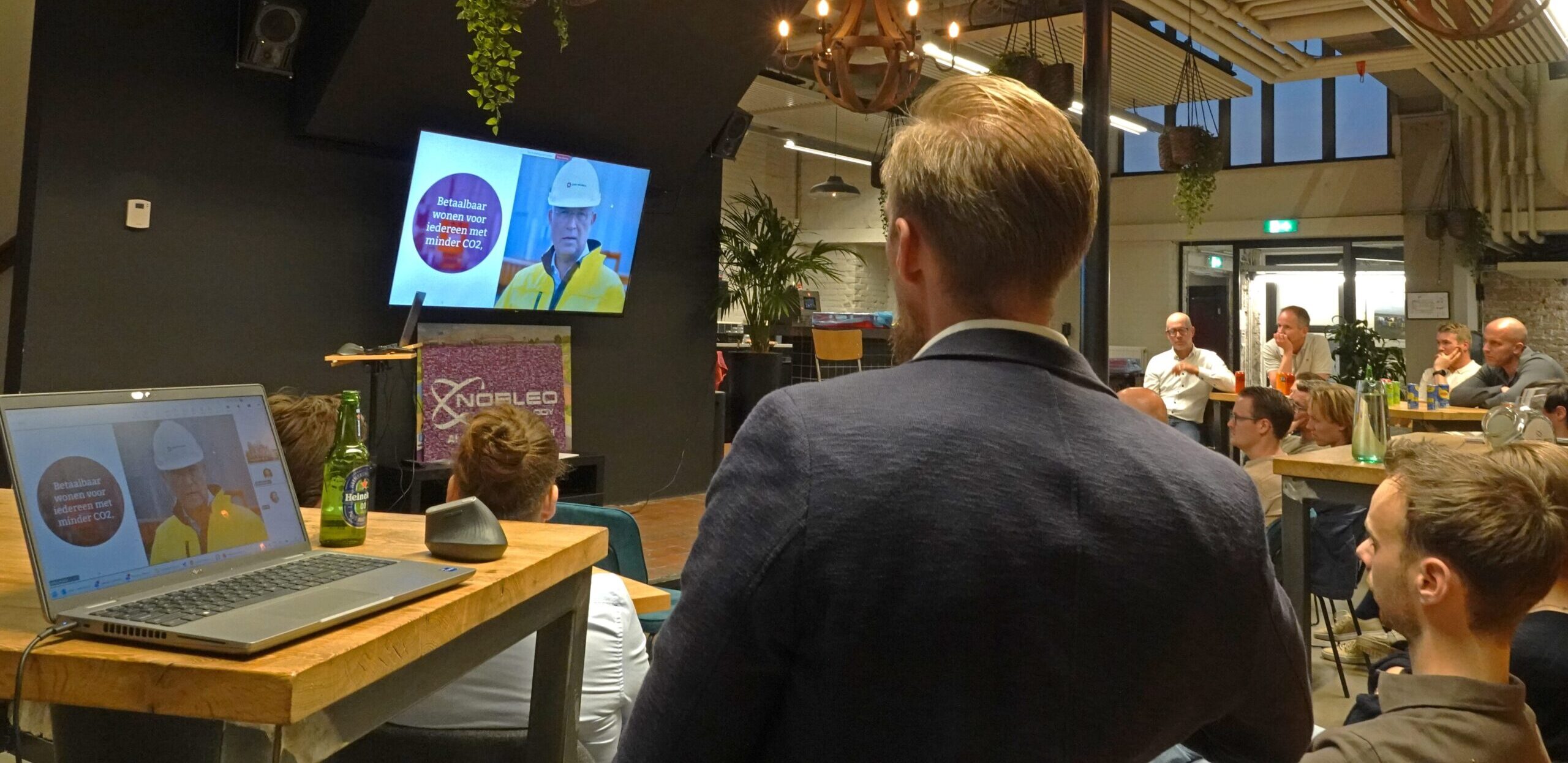
During the Nobleo theme evening, we illustrated this with two examples:
- From BIM to system set-up, such as ERP:
How to incorporate the required information to steer (and automate) the supply chain workflows.
- From project planning to production sequence:
How do you ensure that your factory runs efficiently in terms of flow and productivity?
Why digitalisation in construction requires a new approach
We have found that automation without a solid digital foundation remains vulnerable. Real control only emerges when data is used intelligently for planning, production and control.
At the same time, this requires a different way of working with data. Where some frontrunners are already moving towards fully integrated, data-driven approaches that directly connect design to production and supply chain, this is still a significant step for most organizations.
The challenge, therefore, is not only in technology, but in making better use of existing models and data, while gradually moving towards a more integrated and scalable approach across the entire chain.
From insight to impact
Digitalisation in construction is not just about adopting new tools. It is about creating a connected, data-driven foundation that enables better decision-making, improved productivity and scalable processes
Would you like to know more about our approach, or explore how this applies to your organisation? Feel free to contact us, or take a look at our construction page.
Achieving New Level Manufacturing Together